
The Perfect Wedding Day Timeline
(Tips From a California Wedding Photographer)
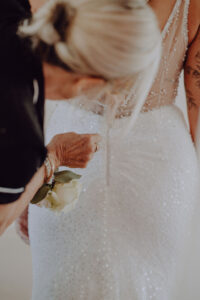
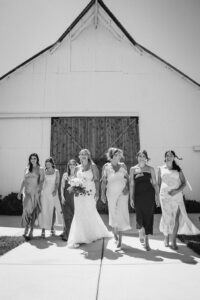
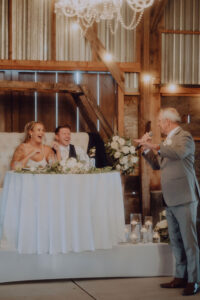
Many couples wonder how to structure their wedding day for the smoothest, most enjoyable experience. The truth is that a thoughtful timeline does more than keep everyone on schedule – it creates space for real moments and memories. As one photographer notes, “the structure of your photography timeline plays a major role in how smoothly everything unfolds,” allowing time for emotion and connection rather than rush. In practice, I’ve heard brides say the same things again and again after their wedding:
- They wished they had more time alone together during the day.
- The whole day felt like a blur or it went by too fast.
- They wanted to talk to guests but were pulled away for photos.
- Getting ready felt rushed or hectic.
- Family/formal photos took longer than expected.
A solid timeline is the key to avoiding those regrets. Wedding photographers often emphasize that a stress-free day equals better photos. One pro puts it plainly: “I don’t just want great photos – I want my job to make the wedding day experience better. And the better the experience the bride and groom have, the better the photos are”. In other words, we aim for a fun, relaxed day and great photos – you shouldn’t have to choose between them.
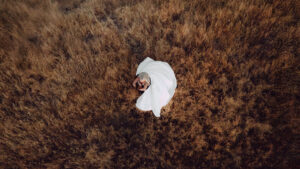
Getting Ready: Calm, Bright, and Uncluttered
Choose a Calm, Clean Getting Ready Space
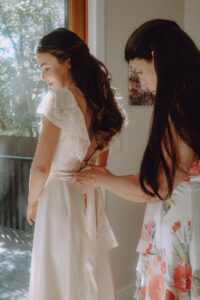
A serene, light-filled room for getting ready sets a great tone. Wide windows and neutral surroundings let in beautiful natural light, so your makeup and hairstyle photos have a soft, flattering glow. If the room is cluttered, our first minutes can be spent rearranging instead of shooting. So wherever you get dressed, plan ahead: clear away unnecessary items and keep surfaces clean.
Before I arrive, I often ask couples to gather all their details in one place: rings, shoes, invitations, perfume, special jewelry, and any heirlooms. This way I can start on those “details” shots the minute I walk in, rather than hunting around for stuff. Giving yourself plenty of getting-ready time is crucial too – at least two hours is ideal. Hair and makeup nearly always run behind schedule, so build in a cushion so you never feel rushed. One photographer advises keeping lines open with your beauty team and expect delays: in practice, that means slotting extra minutes into your schedule so you can finish those final touches without panic.
Build in Buffer Time
Build in More Time Than You Think You Need (Seriously)
Nothing goes exactly to plan (and it’s silly to pretend it will). As wedding planner-photographers often remind us, “things run late” – hair may take longer, Uncle Joe might wander off, or traffic might slow your shuttle. A little extra wiggle room makes a huge difference in keeping the day relaxed. For example, add a 15-minute buffer between major events so you always stay ahead of the clock. If you’re moving between locations or changing outfits, budget 30 minutes for transitions. And if your wedding party is large, allow even more time for group photos to avoid bottlenecks.
Key buffer suggestions:
- 15 minutes between each major event (getting dressed → first look, portraits → ceremony, etc.).
- 30 minutes for travel between venues or big outfit changes.
- Extra cushion for large groups or elaborate details (always assume these will run long).
First Look & Pre-Ceremony Photos
Do As Many Photos As Possible Before the Ceremony
Whenever possible, I encourage couples to do a first look. This private moment (between you and each other or even with a parent) is golden: it gives you a calm chance to soak in the “I do” emotions, and it dramatically opens up your timeline. By seeing each other ahead of the ceremony, we can capture most of the couple portraits and wedding-party photos before guests arrive. That means less pressure later on. In fact, couples often report that doing this gives them more time to enjoy the cocktail hour instead of feeling whisked away.
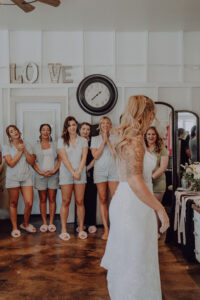

If you do a first look, block out about 45–60 minutes for it and the portraits that follow. Plan roughly 30 minutes each for couple portraits, wedding party shots, and formal family pictures. For example, in a typical 8-hour day you might do the first look around 2:00 PM, then spend the next 90 minutes on portraits. We’ll focus on areas with flattering light and backgrounds, and try to alternate who’s posing so no one stands still too long.
If you choose not to do a first look, we’ll still want portraits – just slot them immediately after the ceremony. Either way, the goal is to knock out as much as we can early. This way, you’re free to join your cocktail hour and mingle with guests, rather than disappearing with us for photos. We often break up photos into mini-sessions: for instance, a few snaps right after the first look, some quick family shots after the ceremony, and a golden-hour session later. This keeps your day feeling natural (and gives us a variety of lighting). If we can, we always squeeze in a brief sunset portrait session too, because even 10–15 minutes of golden-hour light can yield some of your most stunning images.
The Ceremony
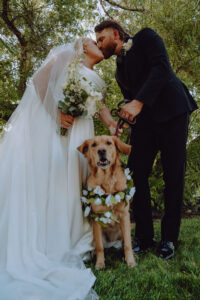
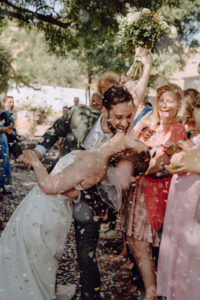
Your ceremony is the heart of the day. My job as your photographer is to quietly document every smile, tear, and vow as it happens. Good ceremony photos are all about thoughtful positioning. For example, many officiants now know the trick of the “officiant creep”: right before announcing your first kiss, they’ll take a couple steps to the side so they don’t block the view. (If your officiant is a friend or family member, no shame in politely mentioning this tip before the ceremony.)
It also helps to have guests seated once everyone is in place, so late standers aren’t blocking photos. During the ceremony, keep holding hands or a meaningful item (like a vase or custom sign) – it looks more relaxed and connected than clutching a bouquet. After the pronouncement, we’ll capture the moment you walk back down the aisle as newlyweds. If you want a particularly fun exit shot, consider pausing for a kiss halfway down – it makes for an incredible photo.
Ceremony tips for great photos:
- Ask your officiant to sidestep slightly during the kiss so they’re not directly behind you.
- Encourage guests to be seated once the party is assembled, to prevent faces blocking the shot.
- Hold hands (or a special memento) through the vows for a natural, connected look.
Cocktail Hour & Reception
Attend Your Cocktail Hour (Even for a Few Minutes)
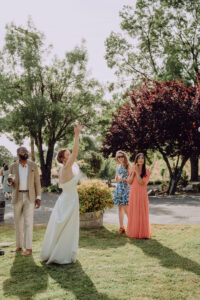
Many couples plan beautiful cocktail hours but never get to enjoy them.
I always encourage couples to step into cocktail hour for at least five or ten minutes.
This gives you a chance to:
• Say hello to your guests
• Enjoy the atmosphere you planned
• Capture wonderful candid photos
If we plan sunset portraits later in the evening, we can always keep post-ceremony portraits quick and relaxed.
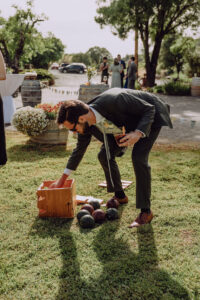
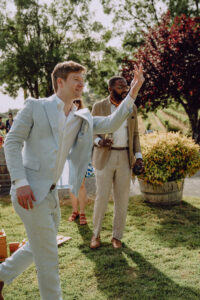
Once the reception begins, photography goes into storytelling mode. We document the grand entrance and first dance, toasts and speeches, cake cutting, and all the spontaneous moments. Jasko notes that during the reception, “candid moments shine – the hugs from family members, hilarious speeches, joyful tears… the atmosphere you’ve planned”.
Typical reception events include:
- Grand entrance of the couple.
- First dance (often right before or after dinner).
- Toasts and speeches.
- Dinner service (timing depends on plated vs. buffet).
- Cake cutting and (if planned) bouquet/garter toss.
- Open dancing and any finale surprises.
We’ll coordinate with your DJ or band to know the exact order. Often there are dinner announcements right at 6:00 PM, first dances around 7:00 PM, and dancing kicks off after. The key is to confirm the final order with vendors, since traditions vary. Don’t worry about posing every dance or toast – I’ll capture them candidly as they happen. By the end of the night, my camera is just telling the story of your celebration.
Golden Hour & Sunset Portraits
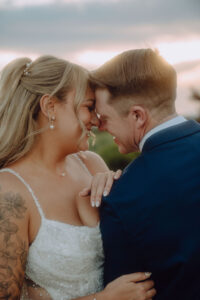
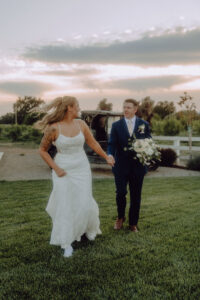
Sunsets in California can be showstoppers, so don’t miss them. As Kristin Bendigo advises, “find out what time the sun sets on your wedding day… natural light is your best friend for dreamy portraits”. Schedule your couple portraits (and possibly some bridal party shots) in the hour before sunset to take advantage of that warm glow. Even a short 10–15 minute session during golden hour can produce unforgettable images. Just plan ahead: check the exact sunset time for your date and build it into your schedule. If necessary, we can even sneak away during dinner for a quick sunset mini-session. The long California daylight is a gift – let’s use it to make a few truly magical photos.

Example 8-Hour Timeline
Here’s a sample schedule for an 8-hour coverage (adjust times based on your ceremony time). Every wedding is unique, but this structure keeps things relaxed:
- 12:00 PM: Photographer arrives to start detail shots of rings, dress, invites, etc.
- 12:30 PM: Getting-ready candids (hair, makeup, toasts, accessories). Bridesmaids and groomsmen moments.
- 1:00 PM: Final preparations and “getting dressed.” (Bouquet is ready; final touches on hair/makeup.)
- 1:30 PM: First look (optional private moment with each other or a parent).
- 1:45 PM: Couples portraits. Shoot bride & groom solo portraits.
- 2:00 PM: Wedding party photos (bridesmaids and groomsmen, then together).
- 2:20 PM: Family formals (immediate family groups).
- 3:15 PM: Quick break for touch-ups, dress bustle, and any final details. Guests start arriving for the ceremony.
- 3:45 PM: Wedding ceremony (20–30 min typical).
- 4:15 PM: Post-ceremony photos: extended family and any leftover group shots. Then cocktail hour begins.
- 4:30 PM: Bride & groom join cocktail hour for a few minutes (and some fun candids of you two!).
- 5:00 PM: Reception grand entrance. (Couple makes their big entrance, maybe followed by first dance.)
- 5:15 PM: Dinner service and toasts. We can slip out for a sunset portrait session around 6:45 PM if the light is right.
- 6:30 PM: Parent dances
- 7:00 PM: Cake cutting and evening dancing. Photo coverage ends around 8:00 PM.
This is just a starting point. The goal is to finish the “formal” stuff before dinner, so you can relax and enjoy your evening. For example, doing family photos immediately after the ceremony takes advantage of everyone still being gathered.
Enjoy Every Moment (We’ll Capture It)
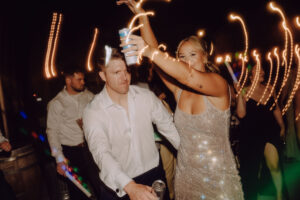
A well-planned timeline isn’t about watching the clock – it’s about making space for the moments that matter. With a thoughtful schedule, you’ll spend less time hustling between events and more time present with your new spouse and guests. In the end, couples always notice the difference: they feel more relaxed and say their day actually felt like a celebration instead of a drill. As one planner puts it, a solid timeline “creates space for each important moment” so you’re not focused on what’s next.
Remember, the best timeline is one that suits your day, your personalities, and the moments you care about. I’m here to help you craft that plan. If you’re planning your wedding and want a timeline that feels relaxed and maximizes your photos, let’s chat. I’ll work with you to build a perfect California wedding schedule that ensures you can enjoy the day and get the photos you’ll love for a lifetime. Contact me to start planning your photography timeline!

Be the first to comment